Flossing is essential for maintaining a healthy smile. Not only does it help interdental cavities, but it is also fundamental to maintaining your gums' health, saving you thousands of dollars in dental care in Tremont, IL. But when it comes to flossing, many patients either skip it or struggle to do it correctly.
That’s where water flossers (also known as oral irrigators) come in. This innovative product can help remove plaque and food debris from under the gum line. But do they really work?
What Is a Water Flosser, and What Does It Do?
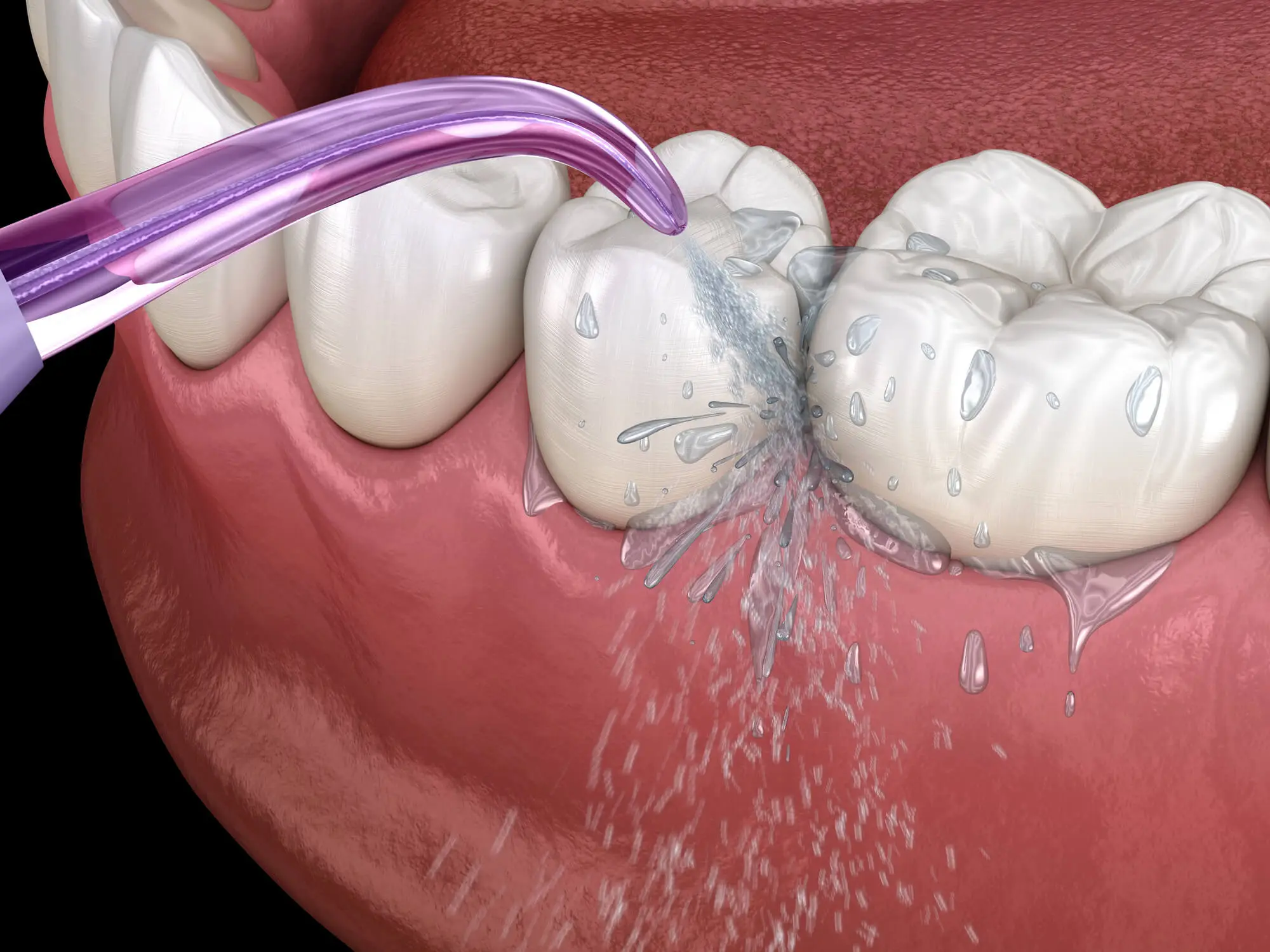
A water flosser is a handheld device that uses a pressurized stream of water to clean between your teeth and below the gumline.
Unlike traditional string floss, which physically scrapes plaque and food particles off the sides of your teeth, a water flosser gently and effectively flushes them out, especially in hard-to-reach areas.
There are plenty of quality models available, including cordless, countertop, and travel-sized options.
Do Water Flossers Actually Work?
Yes—when used correctly, water flossers are clinically proven to be effective.
According to the American Dental Association (ADA), water flossers bearing the ADA Seal of Acceptance have been shown to reduce plaque and gingivitis effectively. In some cases, they may even outperform traditional floss in reducing bleeding and inflammation, especially for people with deep periodontal pockets, where the string floss simply doesn’t reach.
That said, they’re not always a one-size-fits-all replacement for string floss.
Who Should Use a Water Flosser?
Water flossers are a great addition to your dental hygiene routine if you:
- Have braces or other orthodontic appliances. Water flossers can clean around brackets and wires where floss can’t reach.
- Have dental implants, crowns, or bridges. These irrigators can help gently clean around restorations without dislodging them.
- Have sensitive gums or gum disease. The pulsing water is gentler than string floss, making it ideal for tender areas.
- Have difficulty using regular floss. If you have arthritis or dexterity issues, water flossers are much easier to maneuver.
- Simply can’t use traditional flossers. A water flosser is always better than nothing.
If you don’t fall into these categories, a water flosser can still be a helpful tool; however, it is best used as an addition to traditional floss.
Can a Water Flosser Replace Traditional Floss?
In most cases, no.
Water flossers are a great addition to your oral care routine—but they shouldn’t fully replace traditional flossing. Think of them as two complementary products.
At Tremont Dental Care, we evaluate each patient’s needs and provide personalized hygiene recommendations tailored to their oral health history, goals, and preferences.
Tips for Using a Water Flosser Effectively
Getting used to water flossers is a journey, so don’t worry if you don’t get it right away. Start with the lowest pressure setting and gradually increase it as you become accustomed to the sensation. Moreover, dentists recommend:
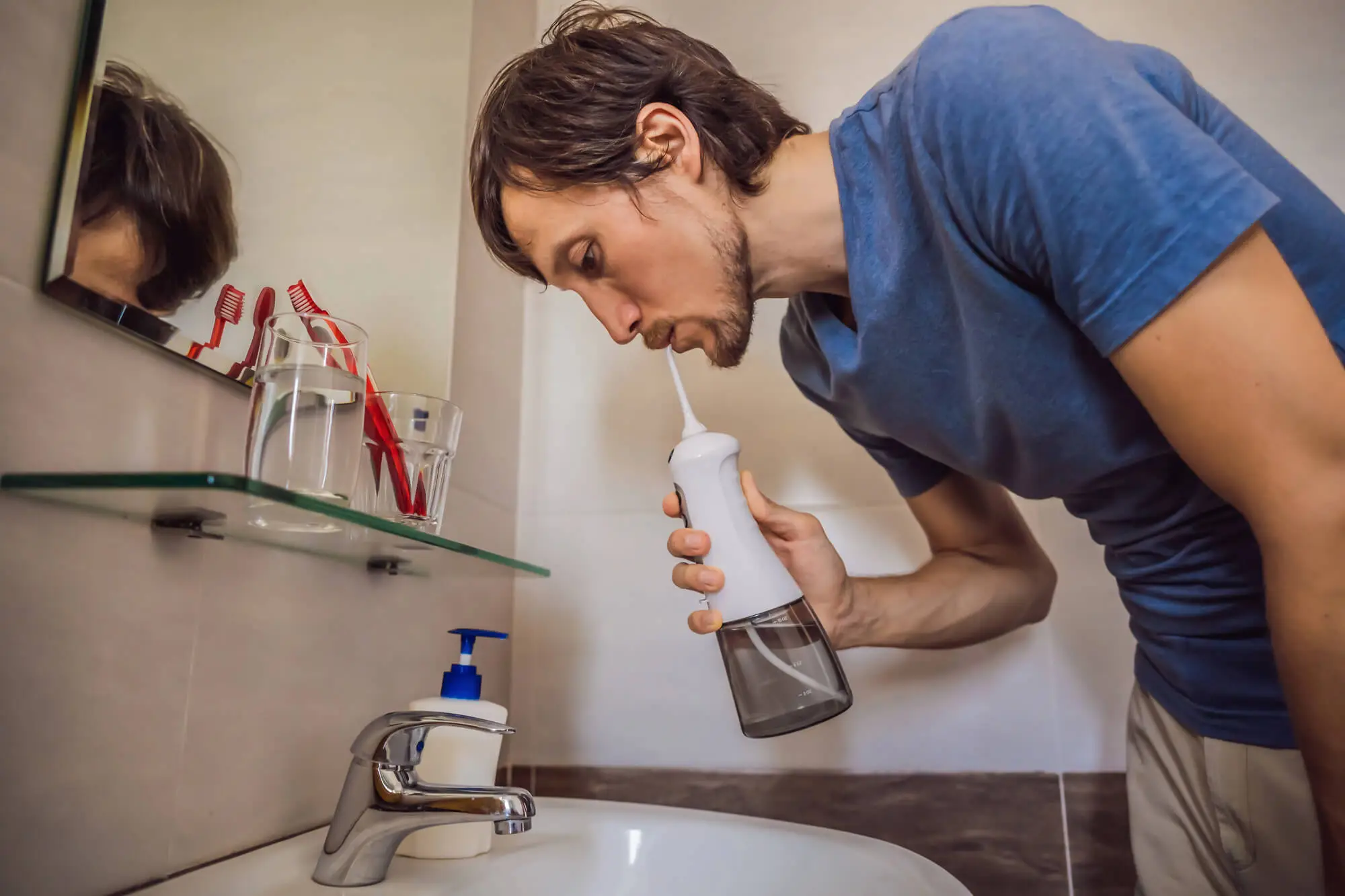
- Lean over the sink and keep your lips slightly closed to minimize splashing.
- Aim the tip at a 90-degree angle to your gumline and pause briefly between each tooth.
- Use daily, preferably before brushing, to loosen debris and enhance the effectiveness of brushing.
And yes—you can add a small amount of mouthwash to your reservoir if your model allows it, for added freshness.
Upgrade Your Oral Hygiene Routine with Expert and Modern Tremont Dental Care in IL
Water flossers are easy to use, highly effective, and a great motivator for better oral hygiene. If traditional flossing feels like a chore—or is physically difficult—it might be time to try something new.
If you’re looking for personalized dental care that fits your lifestyle, schedule a visit with Smalltown Dental!


%25202026.png)