Sleep apnea in Peoria, IL can be easy to overlook at first, especially when symptoms seem like simple snoring, restless sleep, or morning tiredness. However, this condition can affect more than how well you sleep. When breathing repeatedly pauses during the night, the body may not get the oxygen-rich rest it needs. Over time, untreated sleep apnea can influence energy, mood, focus, and even broader health. Understanding the risks can help you take symptoms seriously and know when it may be time to ask about care.
Why Sleep Apnea Matters
Sleep apnea disrupts the natural sleep cycle. Even if someone spends enough hours in bed, repeated breathing interruptions can prevent deep, restorative rest. That may lead to waking up tired, feeling groggy during the day, or needing extra caffeine to stay alert. The National Heart, Lung, and Blood Institute notes that untreated sleep apnea may increase the risk of long-term health concerns. That is why it is worth paying attention when snoring, gasping, or daytime fatigue becomes a pattern.
Daily Energy & Focus Can Suffer
Poor sleep affects the brain quickly. People with untreated sleep apnea may notice trouble concentrating, forgetfulness, slower reaction time, or irritability. Work, driving, conversations, and daily routines can all feel harder when the body is not getting quality rest. This can be frustrating because the person may technically be sleeping, but not sleeping well enough to feel restored.
Tiredness Is Not Always Normal
It is common to blame fatigue on stress, age, or a busy schedule. While those factors can matter, ongoing exhaustion should not be brushed off. If tiredness persists even after a full night in bed, sleep quality may be a contributing factor.
Heart Health & Long-Term Wellness
Untreated sleep apnea can strain the cardiovascular system. When breathing pauses, oxygen levels may drop, prompting the body to work harder. Over time, this may contribute to concerns related to blood pressure and heart health. Government health organizations also link sleep apnea to an increased risk of certain serious health conditions, underscoring the importance of early evaluation.
Small Symptoms Can Point To Bigger Concerns
Loud snoring, choking sounds during sleep, dry mouth in the morning, headaches, and daytime sleepiness can all be signs worth discussing. Not everyone experiences every symptom, so patterns matter more than one isolated night.
Mood, Comfort & Quality Of Life
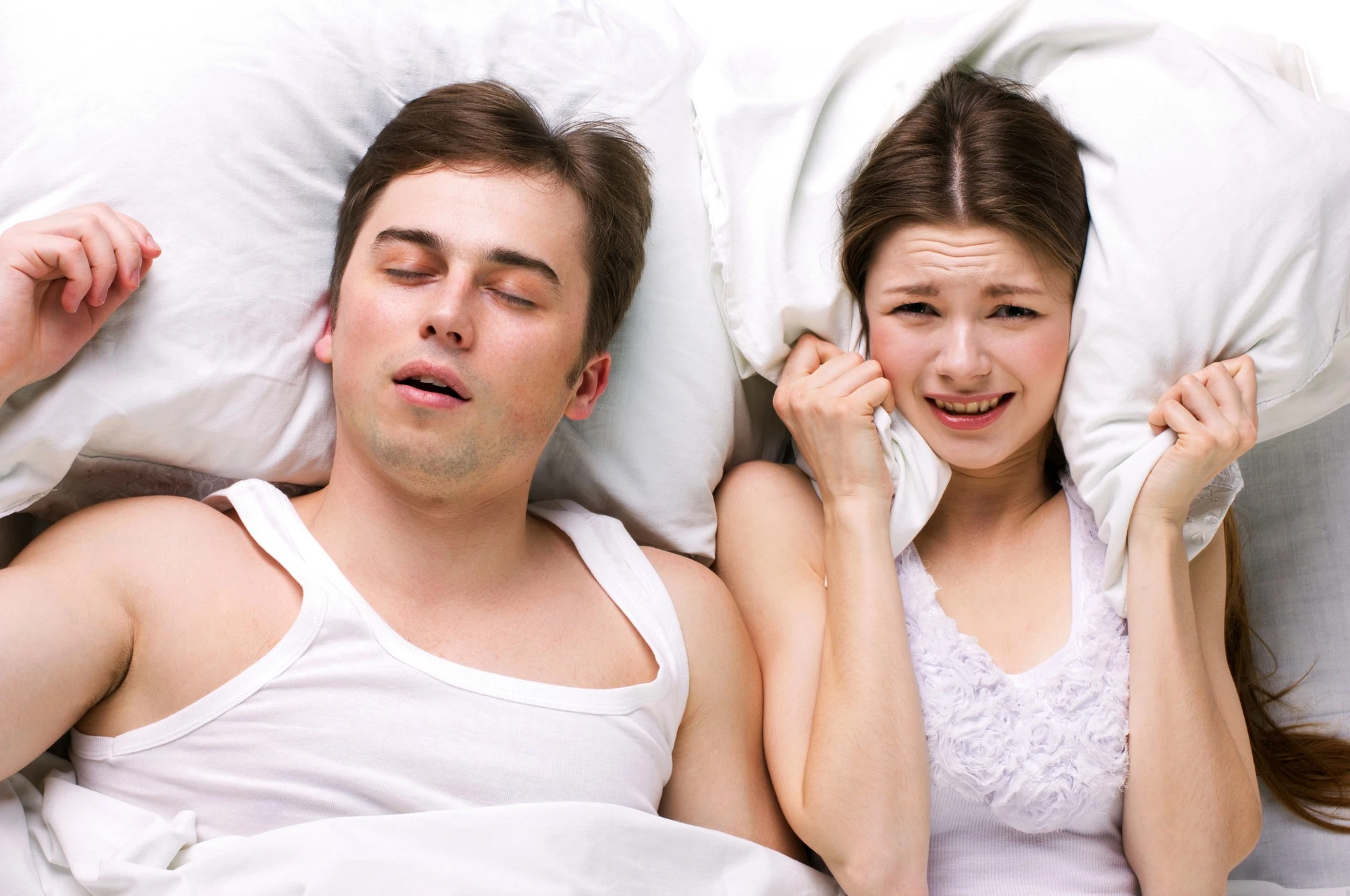
Sleep and mood are closely connected. Without steady, restful sleep, people may feel more anxious, impatient, or emotionally drained. Relationships can also be affected, especially when snoring or disrupted sleep keeps a partner awake. Better breathing at night can support more comfortable rest and may help daily life feel more manageable.
What A Dentist May Notice
Dentists can sometimes identify signs linked to airway or sleep concerns, such as tooth wear from grinding, jaw tension, dry mouth, or reports of snoring. While a medical diagnosis may involve a sleep study, a dental visit can be a helpful place to start the conversation. Some patients may benefit from oral appliance therapy, depending on their needs and professional recommendations.

Support For Sleep Apnea In Peoria, IL
If symptoms are affecting your rest, energy, or daily comfort, Smalltown Dental can help you start a thoughtful conversation about sleep apnea in Peoria, IL, and possible next steps. Schedule an appointment or call the clinic today to learn how dental care may support healthier, more restful nights.


%25202026.png)