If you’re experiencing jaw pain, headaches, clicking sounds, or even earaches, your symptoms could be linked to a condition known as TMJ disorder—a problem affecting the temporomandibular joint, the hinge connecting your jaw to your skull. To manage this discomfort, your dentist in Bloomington, IL, will first need to determine its root cause.
A variety of reasons can trigger TMD, and understanding what is key to achieving long-lasting relief is essential. So, let’s explore the common causes of TMJ disorders—and what you can do next.
What Is the TMJ and Why Does It Hurt?
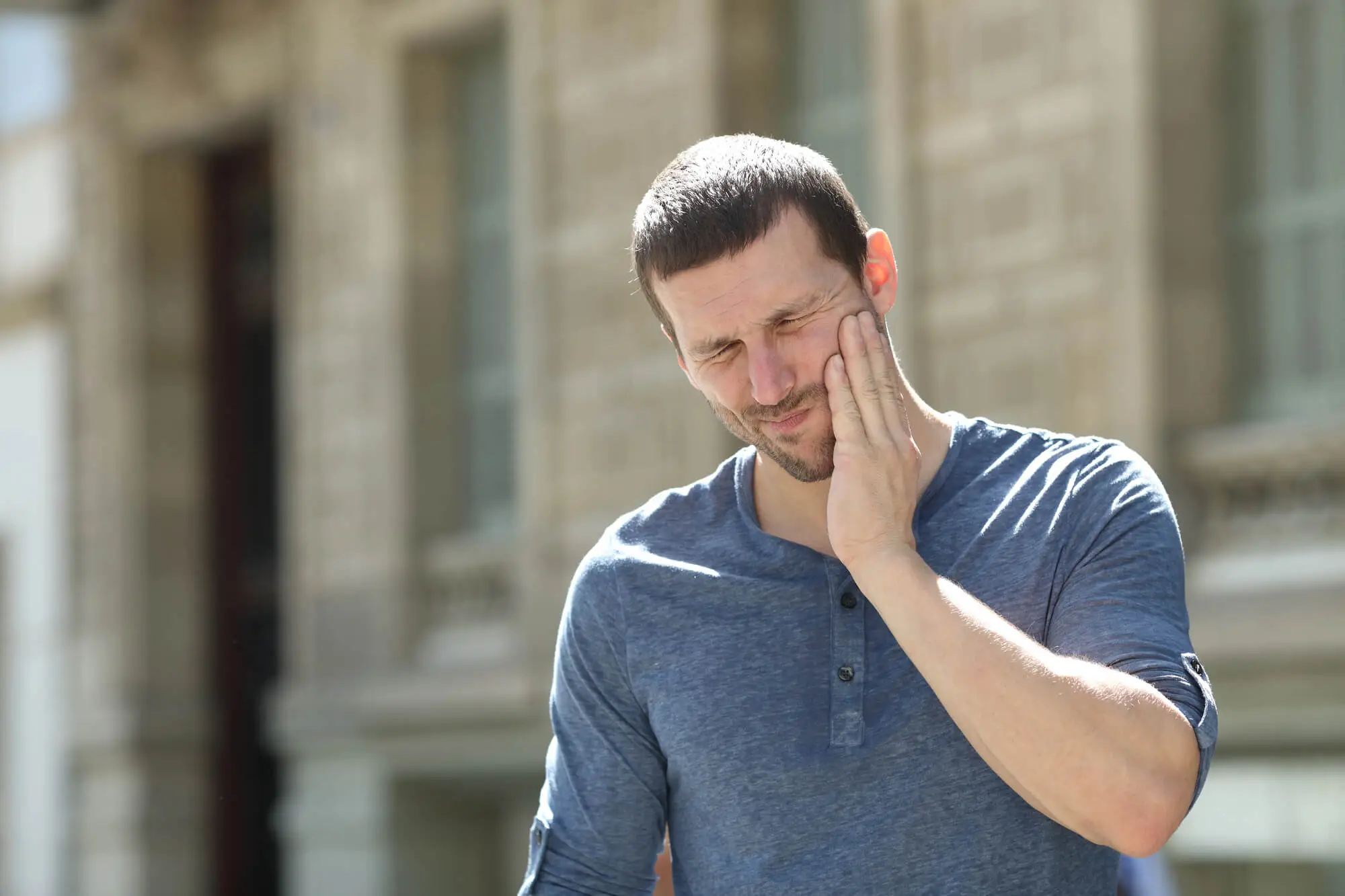
The temporomandibular joint (TMJ) is a small, complex joint on either side of your face that allows your jaw to move up, down, and side-to-side. This variety of movements makes it one of the most unique and complex joints in our body. Moreover, because it’s used for speaking, chewing, and even yawning, it’s constantly in motion.
All of this makes the temporomandibular joint prone to discomfort if it becomes misaligned, overworked, or inflamed. This is known as Temporomandibular Joint Disorder (TMD)—a broad term encompassing various dysfunctions that affect the jaw joint and its surrounding muscles.
Top Causes of TMJ Disorders
TMJ disorders don’t always have a single cause. Often, they’re triggered by a combination of physical, emotional, and behavioral factors. Some of the most common contributors include:
1. Jaw Clenching and Teeth Grinding
Bruxism, or the unconscious clenching or grinding of teeth, particularly at night, is one of the most common causes of TMJ pain. Pain, stiffness, and even tooth damage result from this excessive pressure on the jaw joint and surrounding muscles.
2. Stress and Anxiety
Emotional tension can lead to habitual jaw clenching without you even being aware of it. This behavior causes chronic strain on the TMJ and overworks the jaw muscles over time.
3. Injury or Trauma
A direct blow to the jaw—whether from an accident, sports injury, or fall—can dislocate or damage the TMJ. Even whiplash injuries can indirectly affect jaw alignment, causing TMD.
4. Arthritis
Inflammatory conditions such as osteoarthritis or rheumatoid arthritis can wear down the cartilage in the TMJ, limiting movement and causing chronic pain.
5. Misaligned Bite or Orthodontic Issues
When your teeth don’t come together correctly (malocclusion), it can force your jaw to shift into unnatural positions while chewing or talking. Over time, this contributes to TMJ strain.
6. Habitual Behaviors
Chewing gum frequently, biting your nails, or resting your chin on your hand can seem harmless—but these behaviors can overload the TMJ and surrounding muscles.
How Do You Know If You Have TMJ Disorder?
If you suspect TMJ issues, here are some common signs to watch for:
- Jaw pain or tenderness
- Clicking, popping, or grating sounds when moving your jaw
- Difficulty opening or closing your mouth fully
- Headaches, especially around the temples
- Ear pain or a sensation of fullness
- Neck or shoulder tension
While mild TMJ symptoms may improve with self-care, such as stress reduction, jaw exercises, or using a mouthguard, seeking professional care is recommended if your condition worsens.

Take the First Step Toward Jaw Relief with a TMJ Dentist in Bloomington, IL
TMJ disorders can be frustrating, but with the right approach, discomfort can be managed and treated entirely. If jaw pain is interfering with your daily life, don’t wait. The experienced team at Smalltown Dental is here to help you uncover the cause and find real, lasting relief. Contact us today to schedule a consultation!


%25202026.png)