No one wants to lose a tooth if it can be saved. So, when your dentist in Morton, IL, recommends an extraction, it’s natural to ask: Is it really necessary?
Tooth extraction is only recommended when the damage, infection, or structural issue outweighs the benefits of saving the tooth. With this simple checklist, you can better understand whether tooth extraction is truly necessary and what alternatives may still be available.

6 Questions to Ask Yourself Before a Dental Extraction
1. Is the Tooth Severely Decayed or Damaged?
If your tooth has advanced decay that has destroyed the majority of its structure and cannot be restored with a filling, crown, or root canal, extraction is often the safest option. This is frequently the case when your tooth is causing intense, throbbing pain.
In some cases, if decay has reached the root and caused a severe infection, your dentist may recommend a root canal first. If that fails, extraction is necessary.
2. Has the Tooth Suffered Major Trauma?
Accidents happen. A fall, sports injury, or car accident can cause a tooth to break or become loose. In some cases, fractures below the gum line or vertical cracks can't be repaired, even with crowns or bonding.
If the tooth can’t be stabilized or is causing pain and inflammation, extraction may be the best way to prevent infection and preserve surrounding teeth.
3. Are You Experiencing Advanced Gum Disease?
When periodontal disease progresses, it damages not only the gums but also the bone that supports your teeth. If a tooth becomes loose due to bone loss and the surrounding tissue cannot support it, even with periodontal therapy, your dentist may recommend extraction.
In some cases, a bone graft may be necessary following extraction to rebuild the jaw for future dental implant treatments.
4. Is There Overcrowding or Impaction?
Tooth extraction isn't always due to disease or trauma. Teeth must occasionally be extracted to make room, particularly in preparation for orthodontic treatments or to avoid alignment issues.
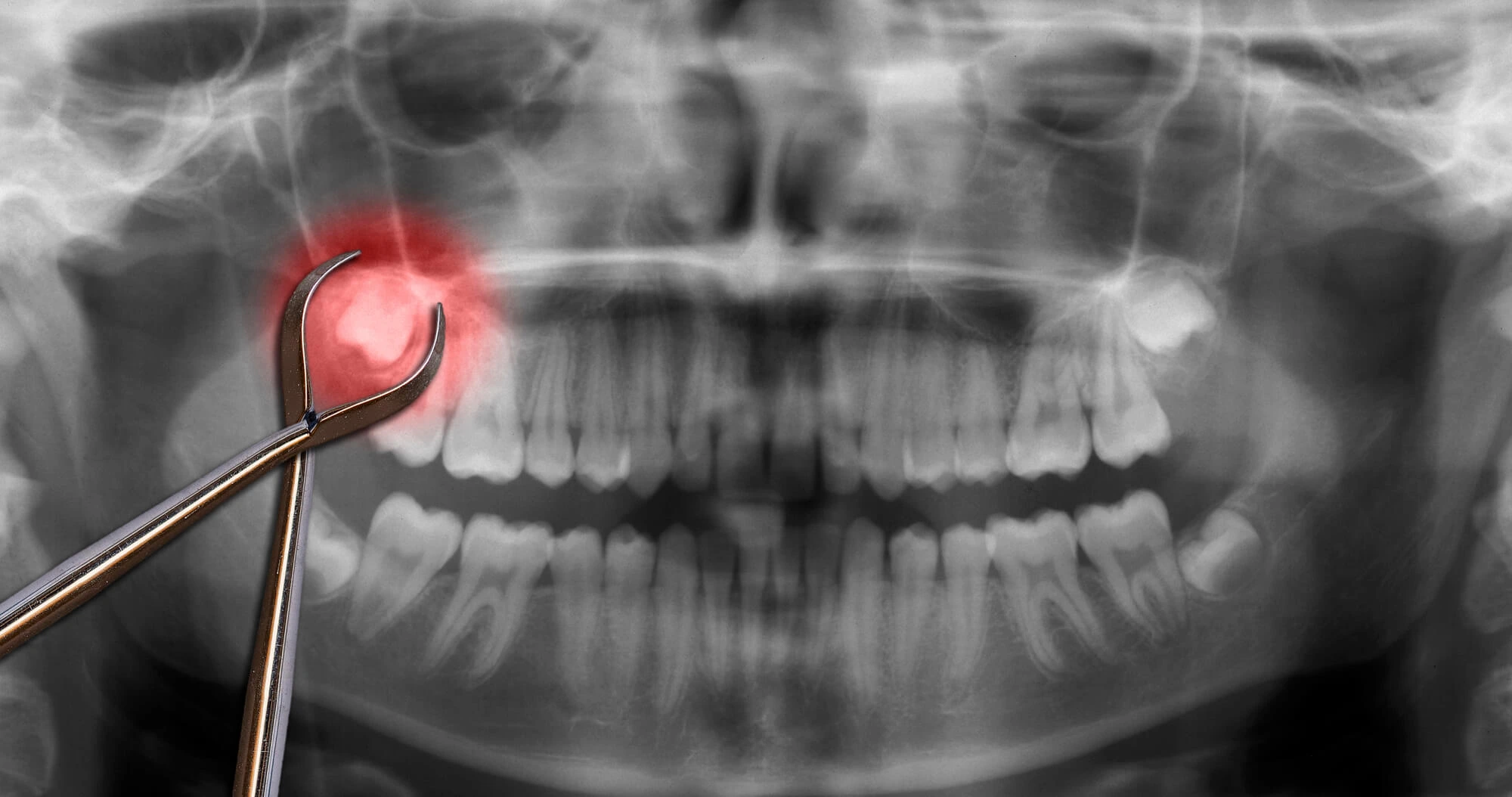
Wisdom teeth are common culprits. Impacted or misaligned wisdom teeth can:
- Push against other teeth
- Cause jaw pain
- Lead to cysts or infections
If not treated, they can compromise the health of nearby healthy teeth.
5. Have Other Restorative Options Failed?
Before extracting a tooth, most dentists attempt to save it using restorative procedures, such as fillings, root canals, or crowns. However, when these treatments fail—especially after repeated procedures—extraction may be the only remaining path to protect your oral health.
6. Are You Preparing for Dental Implants?
In some cases, a damaged or infected tooth may need to be removed to make room for an implant, a permanent, stable replacement for a tooth. Your dentist may also recommend bone grafting at the time of extraction to preserve the implant site for future use.
Still Unsure? Get a Second Opinion from a Dentist in Morton, IL!
If you answered yes to any of the checklist items above, tooth extraction may be necessary to protect your health and quality of life. If you answered no, there may still be time to explore alternative treatments.
Tooth extraction is never a decision to be taken lightly. If you want a thorough diagnosis with a second opinion, we at Smalltown Dental can help. Reach out, and we’ll help you make a confident, informed decision—no pressure; just your comfort in mind.


%25202026.png)