When it comes to protecting your smile, prevention is always easier than repair. If you have questions about fluoride treatments and whether they are necessary, you are not alone. Many patients visiting Hopedale dental care, IL, practices ask if fluoride is only for children or if adults benefit too. The answer depends on your individual risk factors, oral health history, and daily habits. Understanding how fluoride works can help you make an informed decision.

What Is Fluoride & How Does It Protect Teeth?
Fluoride is a natural mineral that strengthens tooth enamel. Enamel is the outer layer of your teeth, and it acts as a barrier against bacteria and acid attacks from food and drinks.
How It Works
Every day, your enamel goes through a process called demineralization and remineralization. When you consume sugary or acidic foods, minerals are pulled from the enamel. Fluoride helps replace lost minerals and makes teeth more resistant to decay. Professional fluoride treatments contain a higher concentration than over-the-counter toothpaste or mouth rinses. This provides an added layer of protection, especially for patients at higher risk of cavities.
Who Benefits Most From Fluoride Treatments?
Fluoride is often associated with pediatric dentistry, but adults can benefit just as much.
Children & Teens
Young patients are still developing strong enamel. Fluoride treatments help protect their teeth during cavity-prone years, especially if brushing habits are still improving.
Adults With Increased Risk Factors
You may benefit from fluoride if you:
- Have a history of frequent cavities
- Experience tooth sensitivity
- Have a gum recession that exposes roots
- Wear braces or other orthodontic appliances
- Have dry mouth due to medication
Dry mouth reduces saliva, which normally helps wash away bacteria. Fluoride can offer additional protection when natural defenses are compromised.
Is Fluoride Safe?
Fluoride has been studied extensively for decades. When used appropriately and in recommended amounts, it is considered safe and effective by major health organizations. Professional fluoride applications are quick and controlled. The treatment is typically painted or applied as a varnish after your cleaning. You may be asked to avoid eating or drinking for a short period afterward to allow the fluoride to fully absorb.
How Often Should You Get Fluoride?
Frequency depends on your risk level. Some patients receive fluoride once a year, while others may benefit from treatments every six months. Your dentist will evaluate factors such as:
- Current oral health
- Diet
- Home care routine
- Medical history
A personalized approach ensures that you receive the right level of protection without unnecessary treatment.
Preventive Care & Long-Term Savings
Preventive treatments like fluoride often reduce the need for fillings, crowns, or more extensive procedures later on. Strengthening enamel now may help you avoid discomfort and added costs in the future. Consistent checkups, proper brushing, flossing, and professional cleanings remain the foundation of strong oral health. Fluoride simply enhances those efforts.
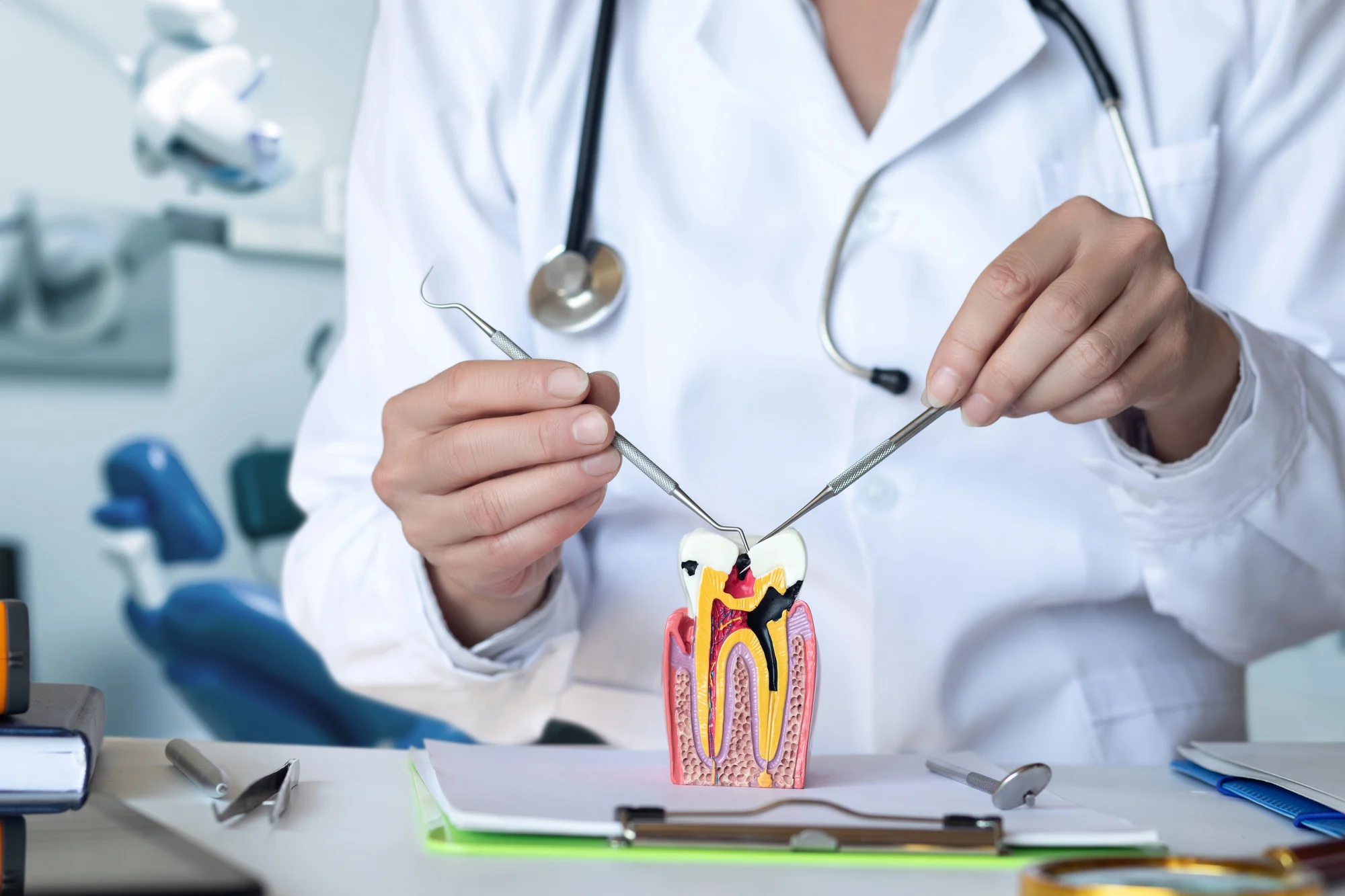
Considering dental care in Hopedale, IL, for preventive treatment?
If you are exploring dental care options in Hopedale, IL, and wondering whether fluoride fits into your preventive plan, a personalized consultation can provide clarity. At Smalltown Dental, we focus on practical, patient-centered solutions that support long-term oral health. Whether you are managing sensitivity or aiming to prevent future cavities, our team is here to guide you through evidence-based preventive care.
If you are ready to take a proactive step toward a stronger smile, schedule an appointment and discover how simple preventive care can make a lasting difference.


%25202026.png)