Maintaining a healthy smile is not about following one perfect routine forever. Oral health needs can change with age, lifestyle, medications, diet, and previous dental treatment. Houska Dental’s long-term dental care can focus on recognizing those changes and adjusting preventive habits accordingly. Regular professional evaluations, thoughtful home care, and early attention to new concerns work together to protect teeth and gums while helping patients remain comfortable and confident throughout different stages of life.
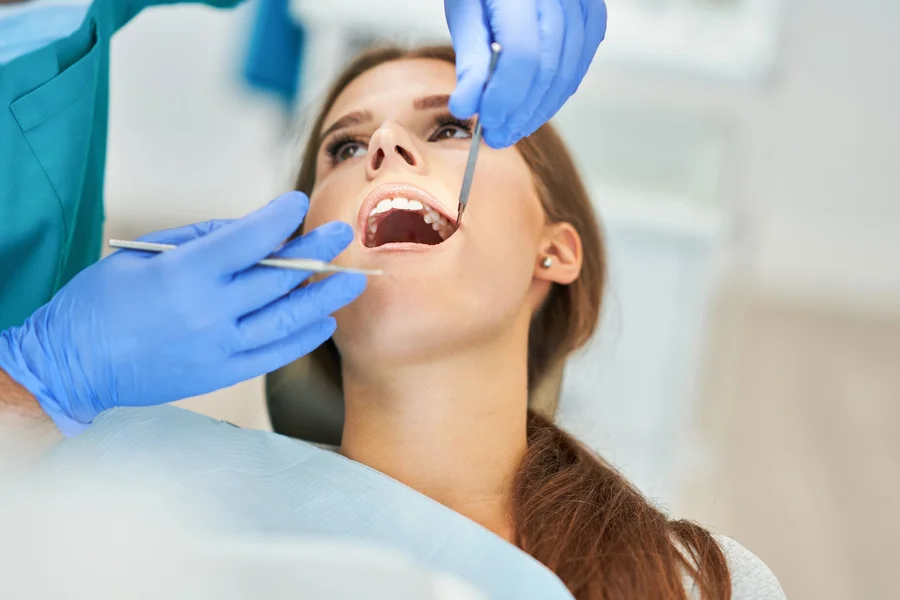
Dental Needs Change With Every Life Stage
Children, working adults, parents, and older adults do not always face the same oral health concerns. A younger patient may need guidance on developing brushing habits, while an adult may need closer monitoring of older restorations. Later in life, dry mouth, gum changes, or increased root exposure may require modifications to daily care.
Recognizing these shifts matters because routines that worked years ago may no longer address a patient's current needs. Periodic dental evaluations provide an opportunity to reassess habits and identify practical adjustments before minor changes become more difficult to manage.
Your Dental History Provides Useful Clues
Previous dental treatment can influence future care. Fillings, crowns, bridges, implants, and other restorations all require continued monitoring. Even when a restoration feels completely normal, routine examinations can help evaluate its condition and the health of surrounding teeth and gums.
Tracking changes over time also gives the dental team useful context. Comparing previous findings with current conditions can reveal gradual wear, gum changes, or other developments that may not cause noticeable symptoms at first.
Everyday Habits Shape Long-Term Oral Health
Professional dental care is important, but most oral health maintenance happens at home. Brushing thoroughly, cleaning between teeth, and choosing habits that reduce unnecessary strain on enamel all contribute to maintaining a healthy mouth.
Patients can support their smiles by:
- Brushing twice daily with fluoride toothpaste
- Cleaning between teeth every day
- Replacing worn toothbrushes regularly
- Drinking water throughout the day
- Limiting frequent exposure to sugary snacks
- Avoid using teeth to open packages or bite hard objects
Consistency matters more than complicated routines. A manageable daily approach is easier to maintain and can provide meaningful benefits over time.
Small Changes Can Signal Bigger Concerns
Dental problems do not always begin with severe pain. Bleeding gums, recurring sensitivity, changes in bite, persistent bad breath, or a rough edge on a tooth may indicate that something deserves attention.
Bringing these changes up during dental visits helps the dentist investigate their cause. Early evaluation may offer more options for addressing a concern while it is still relatively limited.
Nutrition Influences Teeth & Gums
What patients eat and drink affects the oral environment throughout the day. Frequent snacking on sugary or highly acidic foods can repeatedly expose teeth to conditions that contribute to enamel wear or decay.
Balanced meals, adequate hydration, and thoughtful snack choices support dental health alongside regular brushing and flossing. Drinking water after meals can also help rinse away food particles when brushing is not immediately practical.
Dry Mouth Deserves Attention
Saliva performs several useful functions, including helping wash away food particles and supporting the mouth's natural defenses. Some medications, health conditions, and lifestyle factors can reduce saliva production.
Persistent dry mouth should be discussed with a dental professional. Depending on its cause, simple changes to hydration habits, oral care products, or treatment recommendations may help patients protect their teeth more effectively.
Prevention Includes Monitoring Bite & Wear
Teeth experience years of chewing pressure, and some patients also clench or grind without realizing it. Gradual enamel wear may alter tooth shape or increase sensitivity over time.
Routine dental examinations allow dentists to identify wear patterns and discuss potential contributing habits. Addressing excessive pressure earlier can help protect natural teeth and existing dental restorations from avoidable long-term stress.

Build Lifelong Habits With Houska Dental
A healthy smile is easier to maintain when preventive care evolves along with your needs. Houska Dental can help you understand changes in your teeth and gums, strengthen everyday habits, and develop a personalized approach to long-term oral health. At Smalltown Dental, the goal is to help patients make informed decisions without making dental care feel complicated. Call the office or schedule an appointment today to give your smile consistent attention through every stage of life.


%25202026.png)