When it comes to restoring a damaged tooth, dental fillings are a common and effective solution. They help repair cavities, restore tooth function, and improve the appearance of your smile. However, with various materials available, you may wonder how a dentist chooses the right filling for your specific needs. The decision depends on several factors, including the size of the cavity, the location of the tooth, your personal preferences, and even your budget. Understanding these factors can help you feel more informed and confident when discussing treatment options with your dentist.
Types of Dental Filling Materials
There are several types of dental fillings available, each with its own advantages. Some of the most common materials include:
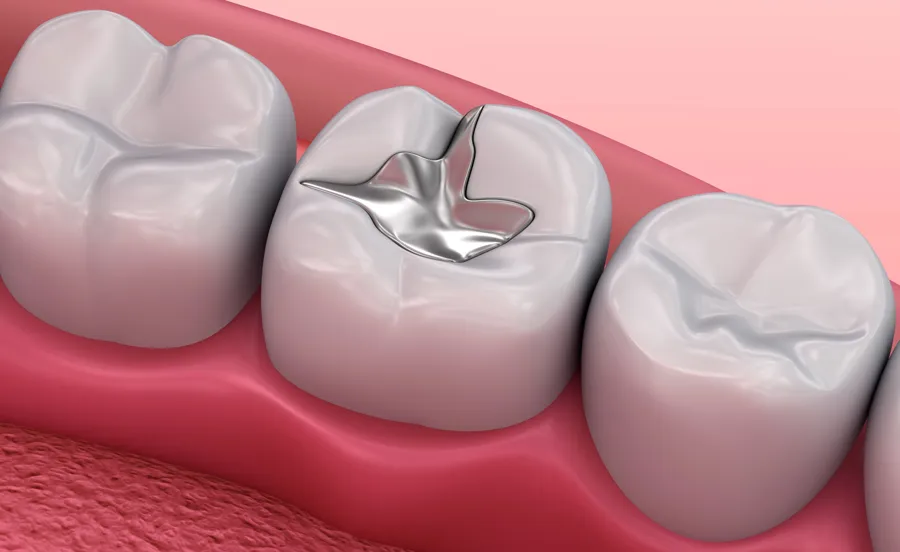
- Amalgam fillings: These silver-colored fillings are made of a mixture of metals, including silver, mercury, tin, and copper. They are durable, affordable, and typically used for back teeth, where they are less visible.
- Composite fillings: Made from a resin that can be tinted to match the color of your natural teeth, composite fillings are often chosen for front teeth or visible areas. They blend well with the natural tooth color but may wear down slightly faster than amalgam.
- Ceramic fillings: Made from porcelain, ceramic fillings are durable, stain-resistant, and provide an aesthetically pleasing finish. They are a good choice for larger cavities and visible areas, but tend to be more expensive.
- Gold fillings: Gold is highly durable, making it ideal for restoring teeth. However, gold fillings are more noticeable than other options and cost more.
Factors Your Dentist Considers When Choosing a Filling
Your dentist takes several factors into account when selecting the right dental filling material for you. The most important considerations include:
- Cavity location: If the cavity is visible, your dentist may recommend a tooth-colored material, such as composite or ceramic, to maintain the natural appearance of your smile.
- Durability: For fillings in the back teeth, which experience greater chewing pressure, durable materials such as amalgam or gold may be preferred.
- Size of the cavity: Larger cavities may require a more robust material, such as ceramic or gold, to provide long-term strength and protection.
- Budget: While some materials are more aesthetically pleasing, others may be more affordable. Your dentist will work with you to choose a material that fits within your budget while addressing your dental needs.
- Personal preferences: Some patients have concerns about amalgam use due to its mercury content. In these cases, your dentist may suggest alternative materials, such as composite or ceramic.
How the Procedure Works
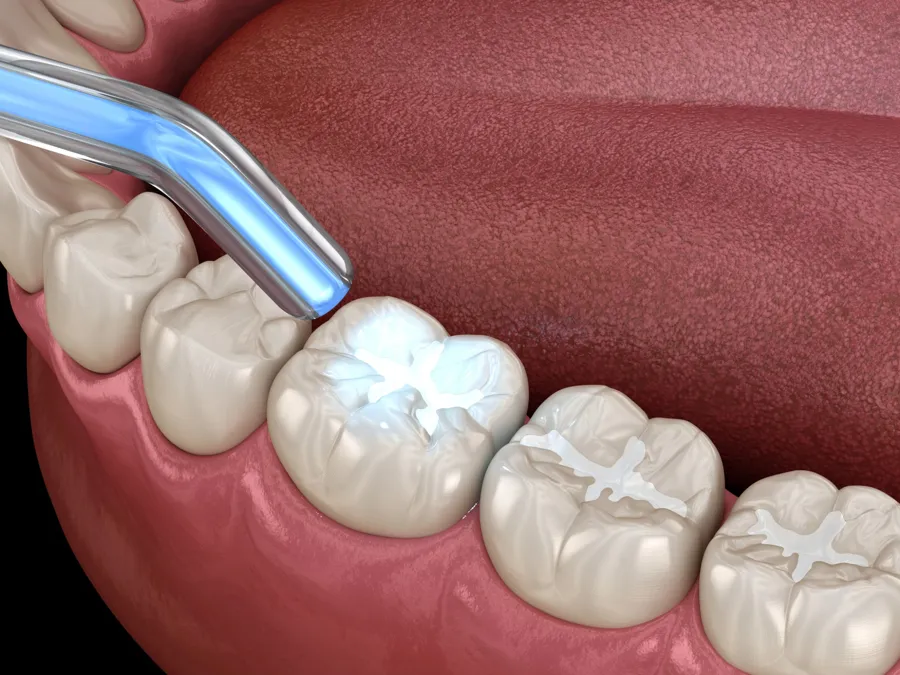
When you visit the dentist for a filling, they will first assess the cavity and discuss your options. If the filling is small and in a non-visible area, your dentist may recommend an amalgam filling. If the cavity is large or in a visible area, they may suggest composite, ceramic, or gold. The procedure itself typically involves removing any decayed tissue from the tooth, cleaning the area, and then placing the filling material. Once the filling is placed, your dentist will ensure it fits comfortably and that you can bite normally.
The Right Dental Fillings in Glenn, IL's Trusted Dentist
Choosing the right dental filling material is an important part of restoring your tooth and protecting your oral health for the long term. At Smalltown Dental, we offer a variety of filling options to meet your specific needs, whether you're looking for strength, aesthetics, or affordability. Schedule an appointment today to discuss the best filling material for your dental needs. Let us help you restore your smile with confidence!


%25202026.png)



.png)