Many patients wonder whether removing wisdom teeth can change the way their teeth fit together or affect their jaw alignment. These concerns are understandable, especially for those considering wisdom teeth removal in Peoria, IL. While wisdom teeth play a role in the overall structure of the mouth, their removal typically helps protect oral health rather than creating alignment issues. Understanding what happens before, during, and after treatment can help patients feel more confident about the procedure.
Understanding Wisdom Teeth & Their Impact
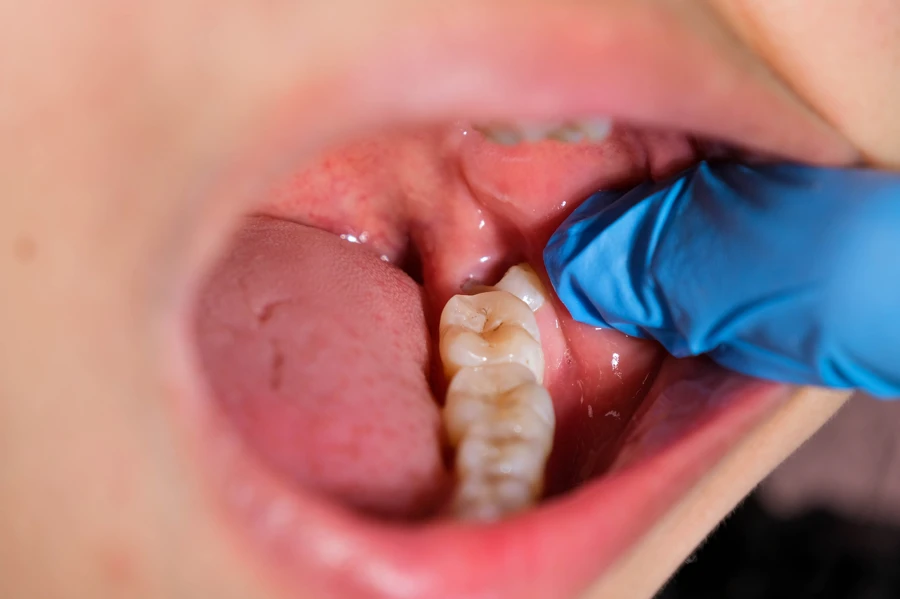
Wisdom teeth are the final set of molars to emerge, usually appearing during the late teens or early twenties. While some people have enough room to accommodate these teeth, many do not. When wisdom teeth become impacted or grow at improper angles, they can place pressure on neighboring teeth and surrounding structures.
Why Wisdom Teeth Are Often Removed
Dentists may recommend removal when wisdom teeth create or are likely to create oral health concerns. Common reasons include:
- Increased risk of infection
- Difficulty cleaning the area
- Damage to adjacent teeth
Addressing these concerns early can help preserve comfort and support long-term dental health.
Bite Changes & Recovery Expectations
After wisdom teeth are removed, some patients notice temporary changes in their bite. This sensation is often associated with swelling and the natural healing process rather than a permanent shift in alignment. As tissues recover and inflammation subsides, the bite typically returns to feeling normal.
Temporary Sensations During Healing
Patients may experience:
- Mild jaw stiffness
- Temporary swelling
- Tenderness while chewing
- Slight changes in bite perception
- Limited jaw movement for a short time
These effects are generally expected and improve as healing progresses.
Jaw Alignment & Oral Function
Wisdom teeth removal itself does not typically alter jaw alignment. In fact, removing problematic wisdom teeth may help prevent future complications caused by pressure against neighboring teeth or surrounding bone structures. Every patient's situation is unique, which is why comprehensive evaluations are important before treatment.
The Importance of Early Assessment
Early evaluation allows dental professionals to monitor wisdom tooth development and identify potential concerns before symptoms become more severe. Imaging technology helps determine tooth position and supports accurate treatment planning.
When wisdom teeth are left untreated despite signs of impaction or crowding, they may contribute to discomfort, inflammation, and complications that affect daily activities such as eating and speaking.
Long-Term Benefits of Removal
Removing problematic wisdom teeth often supports healthier oral function and reduces the likelihood of future issues. Patients frequently experience improved comfort and greater peace of mind knowing potential complications have been addressed.
Maintaining good oral hygiene and attending routine dental visits after treatment helps support recovery and protect overall dental wellness. Long-term care plays an important role in preserving the results of treatment and maintaining a healthy smile.
Benefits Of Professional Evaluation
- Early detection of potential concerns
- Personalized treatment planning
- Reduced risk of future complications
- Improved oral comfort
- Support for long-term dental health
Learn More About Wisdom Teeth Removal in Peoria, IL
Understanding your wisdom teeth and their impact on your oral health is an important step toward protecting your smile. If you have questions about wisdom teeth removal in Peoria, IL, a professional evaluation can help determine the best course of action for your needs.
At Smalltown Dental, we are committed to providing patient-focused care and helping individuals make informed decisions about their oral health. Call today or schedule an appointment to learn more about wisdom teeth removal in Peoria, IL, and take the next step toward a healthier, more comfortable smile.


%25202026.png)