Dental extractions in Peoria, IL, may sound intimidating, but they are sometimes an important step in protecting your overall oral health. While dentists often focus on saving natural teeth whenever possible, there are situations where removing a tooth can prevent pain, infection, crowding, or worsening damage. An extraction is not about giving up on a smile. It is about making a careful, informed decision that supports healthier teeth and gums and long-term comfort.
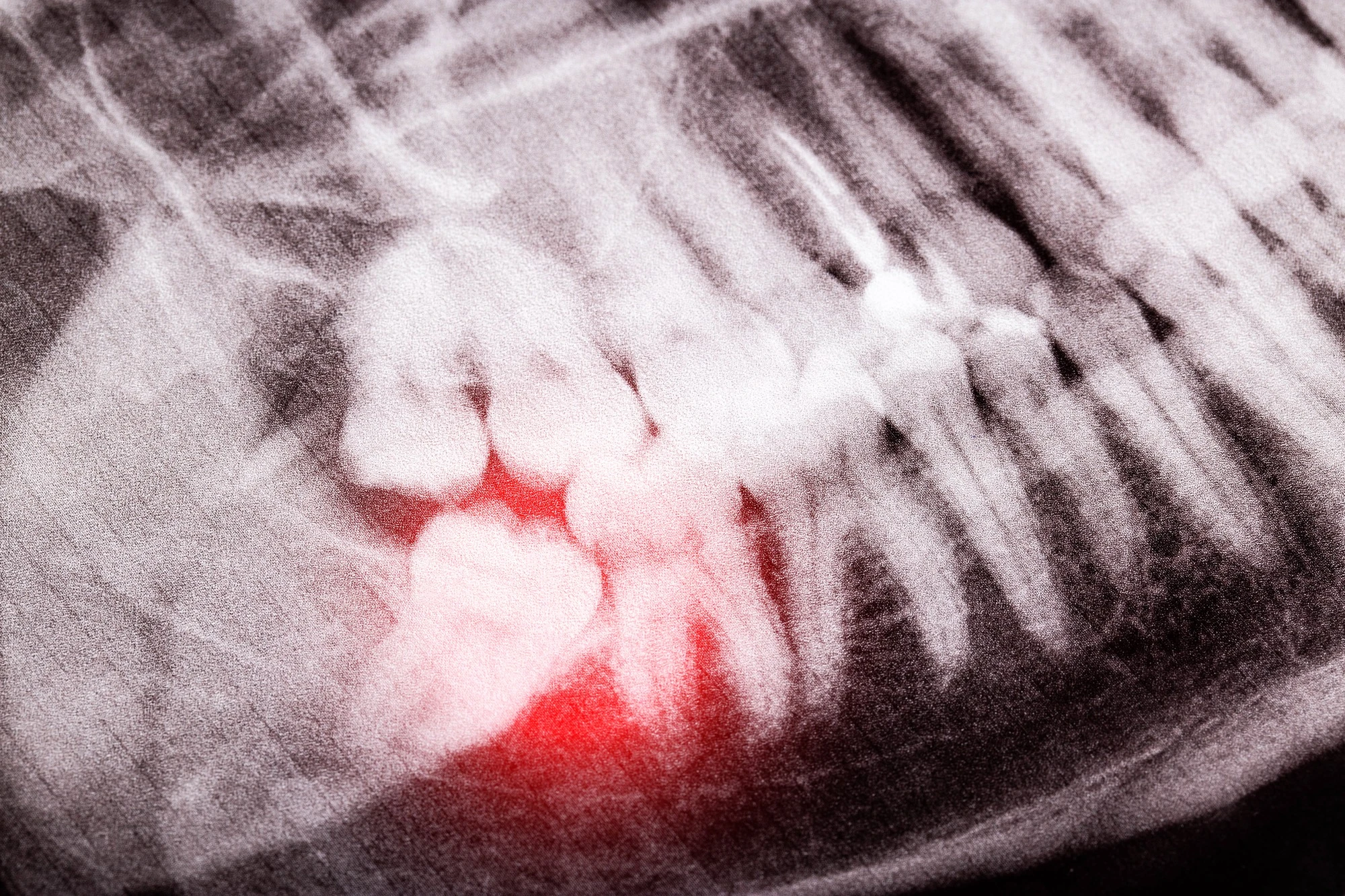
Why Tooth Removal May Be Recommended
A tooth may need to be removed when it is too damaged to repair with a filling, crown, or root canal. Severe decay, advanced gum disease, cracks below the gumline, or infection can make a tooth unstable or unsafe to keep. In some cases, wisdom teeth may also need to be removed if they are impacted, painful, or putting pressure on nearby teeth. According to reputable dental health organizations, untreated dental infections can spread and affect surrounding tissues, underscoring the importance of timely care.
Infection, Pain & Gum Health
An infected tooth does not always stay isolated. Bacteria can move deeper into the tooth, gums, or jaw area if the issue is not treated. This may lead to swelling, discomfort, abscess formation, or trouble chewing. Removing a severely infected or damaged tooth can help stop the source of the problem and give the mouth a better chance to heal. For patients with gum disease, extraction may also be recommended when bone support has weakened, and the tooth can no longer function properly.
Warning Signs Should Not Be Ignored
Persistent tooth pain, swelling, sensitivity, bad taste, loose teeth, or pain when biting are all signs that something may need attention. The sooner a dentist evaluates the concern, the more treatment options may be available.
Crowding, Alignment & Wisdom Teeth
Sometimes extractions are recommended to prevent crowding or bite problems. Wisdom teeth are a common example. If there is not enough space for them to come in properly, they may press against neighboring teeth, become trapped, or create hard-to-clean areas where bacteria can collect. In other cases, a dentist may recommend removing a tooth as part of a broader orthodontic or restorative plan. The goal is to create better balance, function, and comfort.
A Careful Exam Comes First
Extractions are not recommended casually. A dentist typically reviews symptoms, takes images, examines the surrounding bone and gums, and explains whether other treatments may be effective. This helps patients understand why removal may or may not be the best path.
What Happens After An Extraction
Healing after an extraction depends on the tooth, the reason for removal, and the patient’s overall health. Most patients receive clear instructions for protecting the area, managing discomfort, and reducing the risk of dry socket or infection. Follow-up care may also include talking about replacement options if the extracted tooth affects chewing, appearance, or alignment. Dental implants, bridges, or partial dentures may be considered based on individual needs.
Long-Term Protection For Your Smile
A well-timed extraction can help prevent a minor issue from becoming more serious. It can reduce pain, eliminate infection, protect neighboring teeth, and improve oral function. The key is getting evaluated before symptoms become harder to manage.

Schedule Dental Extractions In Peoria, IL, With Confidence
If you have tooth pain, swelling, or concerns about a damaged tooth, Smalltown Dental can help you understand whether dental extractions in Peoria, IL, may be the right next step. Schedule an appointment or call the clinic today for clear guidance and comfortable, patient-focused care.


%25202026.png)