Tooth extractions in Morton, IL, whether for wisdom teeth or severely damaged molars, can be simple. However, healing does not always go as planned, and at times a painful condition called dry socket can occur, turning a simple recovery into a painful complication.
Luckily, understanding what causes dry socket before tooth extractions can help you heal faster and more comfortably—ensuring what’s best for your smile's health.

What Exactly Is Dry Socket?
Dry socket (alveolar osteitis) occurs when a blood clot that normally forms in your extraction site is dislodged prematurely or does not form at all. The clot serves as a protective barrier while your bones and nerves heal.
Without it, you're left with exposed bone, more pain, a higher risk of infection, and slower healing. Dry sockets can develop 1-3 days after an extraction and are more common in wisdom teeth, but they can occur in any tooth.
1. Smoking or Vaping After Extraction
Nicotine is a major cause of dry socket.
Not only does it restrict blood flow, slowing healing, but it also uses suction to dislodge the clot physically. Cigarettes, e-cigarettes, and even cigars put you at a significantly higher risk.
We recommend that you avoid smoking or vaping for at least 72 hours after your extraction, preferably longer. If you smoke regularly, let your Morton dentist know ahead of time so we can recommend safer recovery strategies or prescribe aids to help you get through those critical healing days.
2. Drinking Through a Straw
It may appear harmless, but the sipping motion creates suction—just like smoking—and can pull the clot right out of place. It's best to avoid straws for at least 4-5 days after extraction.
Instead, drink from a glass and avoid carbonated drinks, which can irritate the area.
3. Poor Oral Hygiene or Infection
After a tooth is extracted, the area is susceptible to bacterial growth. If you don't keep the area clean or if you have a gum infection nearby, the clot may break down prematurely, leading to dry socket.
While you should avoid brushing directly over the extraction site for a few days, gentle saltwater rinses are your best bet. Begin 24 hours after surgery and repeat 2-3 times daily to reduce bacteria without disturbing the clot.
4. Forceful Spitting, Coughing, or Sneezing
Strong facial pressure, such as spitting, sneezing with your mouth closed, or coughing forcefully, can loosen the clot. Even excessive laughter (yes, really!) can contribute to it.
Try sneezing with your mouth open, rinsing gently, and resisting the urge to check your socket in the mirror.
5. Hormonal Factors or Birth Control Pills
Women using hormonal birth control may be at a higher risk of dry socket due to estrogen's effect on blood clotting. While this is unavoidable, your dentist should be aware of it in advance.
Your care team may advise you to schedule your extraction for a time in your cycle when your hormones are at their lowest, or they may advise you to take extra precautions after surgery.
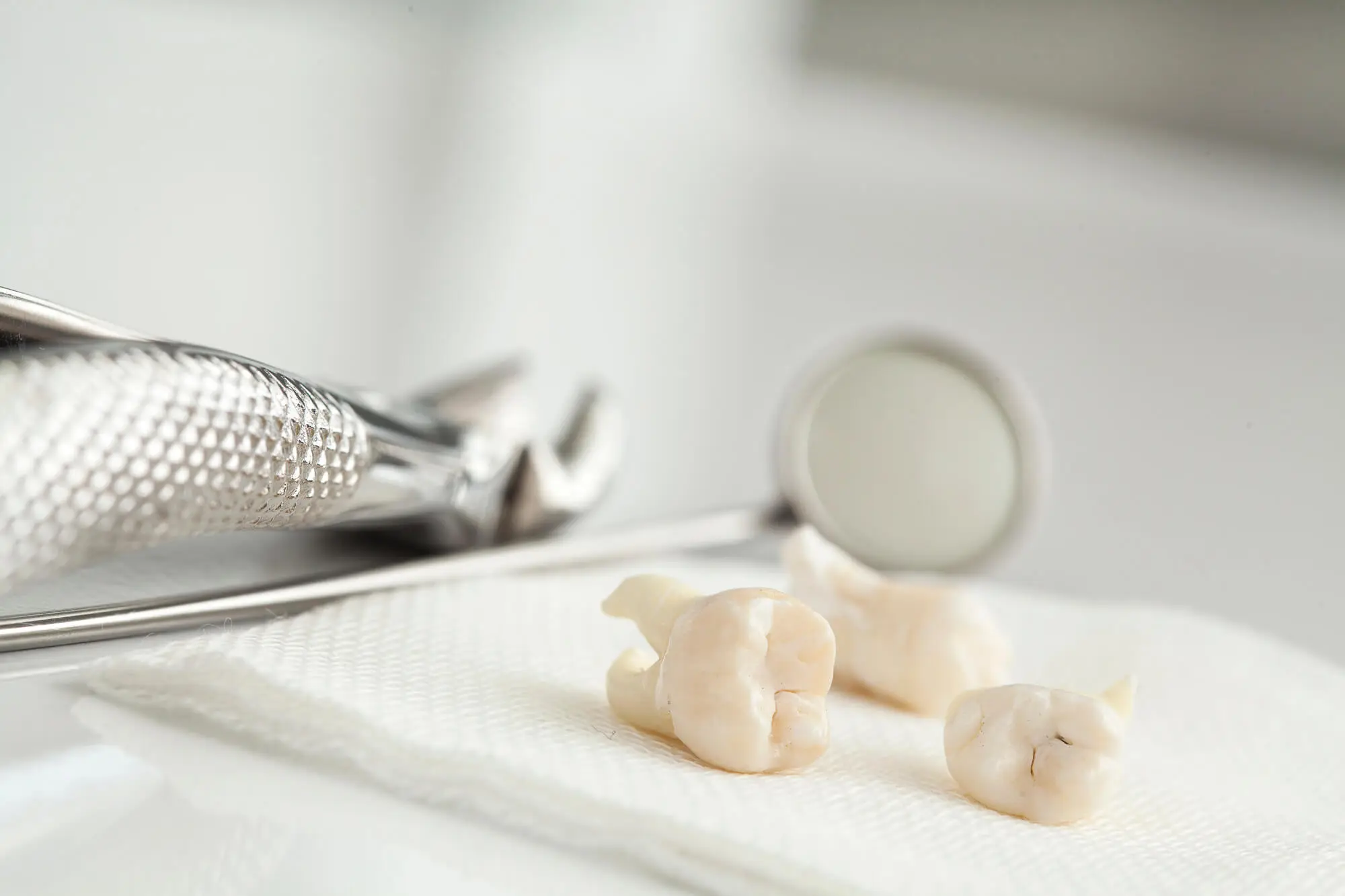
Prepare for your Tooth Extractions in Morton, IL, and Protect Your Comfort
In most cases, dry sockets can be avoided, and detecting problems early on is critical. If you experience severe pain that radiates to your ear or jaw, notice a bad taste or odor, or see a visible hole where the clot should be, please contact us immediately.
The second step is to work with a dental team that provides personalized aftercare, rather than just a printout. At Smalltown Dental, we offer gentle, thorough care for tooth extractions in Morton, IL, and our goal is always to ensure that you recover comfortably and without complications.
Call today to schedule your consultation or if you have any questions about your upcoming extraction—we're here to help you recover as healthily as possible from start to finish.


%25202026.png)